

Agency Resource Management: Plan Smarter. Deliver Better
Agencies have several clients, deadlines to meet, and progress on projects that seem never-ending in today’s age of rapid digital growth. The success of an organization is not just determined by the members it possesses in its team, but also by a framework that guarantees every resource is used effectively and strategically. This is exactly where Agency Resource Management comes in as a game changer. It serves as the underpinning software of your agency, where people, processes, and projects all unite into a single workflow.
Just think about it for a second — how often are you reading about agencies struggling with missed client deadlines, overworked staffers or wasted talent? These problems are not due to a lack of talent, but rather ineffective organization and resource management. Without effective resource management, the most inspired and skilled teams can fail to reach their potential. And this is why Agency Resource Management ain’t no productivity hack — it’s a survival and growth necessity.
Through intelligent planning, agencies can enhance not just their own operating processes but also those that serve clients. It enables you to predict workloads, assign work by expertise, and keep your team healthy. With client expectations at an all-time high, agencies that prioritize resource management are the ones who continue to thrive, grow and succeed for years to come.
Global Market Trend in Agency Resource Management
The digital transformation that occurred around the world greatly influenced agencies on how to manage their resources. Companies globally are switching to cloud-based tools, automation systems, and AI-powered solutions for better efficiency. As per the latest insights from the resource management software industry, the global resource management software market is projected to witness a CAGR of more than 10–12% over the upcoming years as demand for operationally efficient workforce planning and remote collaboration is increasing.
Hybrid and remote work models is one of the biggest trends impacting Agency Resource Management. Agencies are not confined to pools of local talent anymore — they’re building distributed teams that span multiple time zones. Although this presents new opportunities, it also adds complexity to aspects like scheduling, communication, and workload balancing. Agencies are investing significantly in real-time resource planning tools with visibility and control over disbursed teams hence buffering.
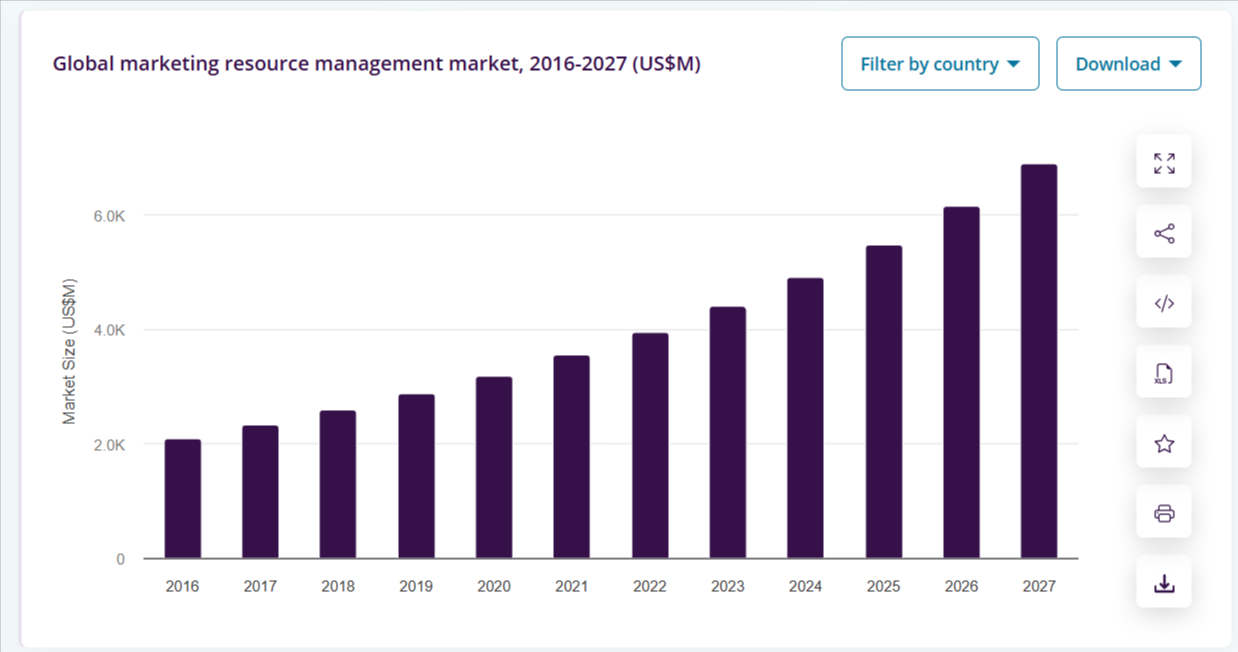
A second reason is the use of artificial intelligence and predictive analytics. Modern resource management systems can also predict demand, detect future bottlenecks, and recommend how to optimally allocate resources. This transition from reactive to proactive is changing how agencies function, as they are able to get ahead of challenges rather than constantly putting out fires.
As competition increases worldwide, those agencies that capitalize on these trends and implement sophisticated resource management will have a competitive advantage. The future clearly belongs to organizations that are able to plan smarter, adapt faster and deliver better—consistently.
What Is Agency Resource Management?
Definition and Core Concepts
Agencies rely heavily on Agency Resource Management because it is the backbone of every agency’s success. It’s everything around planning, distributing, and optimizing the time, skills, and tools of your team members to deliver projects effectively. Picture running a creative or digital agency without visibility over who’s working on what, how much capacity your team has available, or if deadlines are even realistic — it would rapidly descend into anarchy. That’s where resource management comes in to provide clarity and structure.

Fundamentally, Agency Resource Management is about ensuring the right people are on the right tasks at the right time. It’s not just a matter of filling schedules it is matching skills with project needs while balancing workloads. That way, agencies can prevent burnout and missed deadlines, as well as make sure talent isn’t going to waste. It is like an orchestra performing in unison, resulting in great outcomes.
Task delegation, yes, but also predicting future resources needed, monitoring team performance, and real-time adjustment when projects are fluid. Agencies that are experts in this discipline will have a competitive advantage since they can produce consistently high-quality work without stretching their teams too thin. In today’s rapidly evolving digital landscape with ever-present client expectations, a robust resource management strategy is undeniably powerful; it isn’t optional.
Why It Matters in Modern Agencies
Modern agencies work in an industry where deadlines are shorter, client expectations are higher, and competition is tougher than ever. Even the best teams cannot be what they could be without proper Agency Resource Management. Agencies often manage multiple projects at the same time, each with its unique needs and timelines. Without sufficient planning, this complexity can easily get out of hand.
Proper management of those resources is what makes every project run seamlessly from beginning to end. It enables managers to see potential bottlenecks before they become a major problem. But for example, if one critical designer has too many things on their plate, those tasks can be then redistributed sooner rather than later and not put off, causing delays or decreasing quality. It saves time, avoids headaches, and leaves clients happy.
Financial performance is another key element. Insufficient resource planning can be time-consuming, causing billable work to be missed and operations unnecessarily expensive. Conversely, agencies that effectively manage their resources stand to increase profits by making sure every hour counts. It is similar to say converting an unfocused workflow into an automated machine that performs extremely effective and delivers excellent results.
The Importance of Efficient Resource Planning
Impact on Productivity and Profitability
If we’re honest here — all agencies want to do more with less. And that’s precisely what effective Agency Resource Management allows for. When resources are managed well, teams do not waste time or energy on unrelated work streams and can focus entirely on delivering the best quality possible. This has an immediate impact on productivity, as employees spend less time thinking about their work and more doing it.
When it comes to profitability, the advantages are even greater. Agencies run on razor-thin margins, and every hour squandered is revenue lost. As a result, agencies can ensure billable hours are maximized while downtime is kept to a minimum by optimizing resource allocation. Ultimately, this balance is vital for a healthy bottom line.
Just think about it: when teams are overstressed, errors multiply, deadlines slip, and client satisfaction plummets. On the contrary, balanced workloads lead to better employee performance, timely projects, and satisfied clients. That is a win-win, and it underscores the importance of strategic resource planning.
Common Challenges Agencies Face
Agency Resource Management is critical, but not always easy to implement. One of the biggest challenges agencies experience is visibility into their resources. When you lack this overview of who is available and what they’re doing, it’s hard to make educated decisions.
Another frequent problem is lack of communication. When team members are not aligned on their priorities or what a particular project requires, it leads to confusion and inefficiencies. This frequently leads to duplicated effort or deadlines being missed, both of which can damage an agency’s reputation.
Moreover, many agencies also struggle with inaccurate forecasting. Still, predicting future workload and resource requirements is a much more complex proposition, especially in industries with frequently changing levels of demand. When an agency lacks accurate forecasts, it could result in either overstaffing or understaffing — both of which have deleterious effects.
Key Components of Agency Resource Management
Resource Allocation
Central to Agency Resource Management is resource allocation — the ability to match the right assignment with the team members based on their availability and skills. This is more than just ‘plug in the holes’ logic; it’s about making decisions that are most cost-effective and high value.
Resource allocation, when done properly, means that each of your team members are doing work that is in-line with their skill level. This not only increases productivity, but also leads to improved job satisfaction for employees who feel they are more involved and valued. Its like putting together a perfect fit puzzle.
Capacity Planning
Understanding how much work your team can take on at any point in time is what capacity planning is all about. This requires a review of current workloads, pending projects and team availability so resources are not overburden or underused.
This part of Agency Resource Management is key to balance. Poor capacity planning will lead to agencies accepting more work than they can manage, resulting in burn out and reduced quality of work. Conversely, underutilization can lead to lost revenue and inefficiencies.
Workload Balancing
Load balancing balances the work across the team. It also avoids scenarios where some employees are dealing with an excessive amount of work while others literally have nothing to do. Finding this balance is crucial to keeping productivity and morale high.
Workload balancing is not a one-off job in practice but rather involves continuous monitoring and tuning. But as projects develop, done and workloads begin to vary, managers must adjust accordingly. Such an approach is critical for Agency Resource Management.
Time Tracking and Reporting
Track recording and reporting mean useful snoop into how assets are being apart. Agencies can identify inefficiencies, streamline processes, and make better decisions by analyzing this data.
This aspect is also important to billing and profitability. Effective time tracking makes sure that every billable hour is captured for agencies looking to maximize their revenue.
Benefits of Agency Resource Management
Improved Team Efficiency
Team efficiency is one of the key advantages that Agency Resource Management can provide. Effective resource management helps teams deliver high-quality work in a timely manner without distractions or bottlenecks.
Efficiency is more than about speed; it’s doing the right things in the right way. Agencies that align tasks with skills while balancing workloads can achieve better results with less effort.
Better Client Satisfaction
Happy clients are the foundation of any successful agency. Effective resource management ensures that projects are delivered on time and meet client expectations. This not only strengthens relationships but also increases the likelihood of repeat business and referrals.
Strategies to Plan Smarter
Forecasting and Demand Planning
Forecasting involves predicting future resource needs based on historical data and current trends. This allows agencies to prepare for upcoming projects and allocate resources accordingly.
Skill-Based Assignments
Assigning tasks based on skills ensures that each project is handled by the most qualified team members. This improves quality and efficiency while reducing the risk of errors.
Tools and Technologies for Resource Management
Popular Software Solutions
There are numerous tools available to support Agency Resource Management, including project management platforms, time tracking tools, and resource planning software. These tools provide valuable insights and streamline workflows.
Automation and AI Integration
Automation and AI are transforming resource management by enabling real-time data analysis and predictive insights. This allows agencies to make more informed decisions and optimize their resources more effectively.
Best Practices for Delivering Better Results
Clear Communication
Clear communication is essential for effective resource management. It ensures that everyone is aligned on goals, priorities, and expectations.
Continuous Monitoring and Optimization
Resource management isn’t a one-time task; it requires continuous monitoring and optimization. By regularly reviewing performance and making adjustments, agencies can maintain efficiency and deliver better results.
Common Mistakes to Avoid
The biggest mistake that agencies make is not having a plan. Without accurate forecasts, it can be all too easy to find yourself overwhelmed or underprepared. A second common mistake is to not look at your team feedback. Employees always have an integrated view of workflows and resource allocation; their contribution should not be left out.
Another pitfall can go the other way, overloading top performers. Although it might appear most effective to give higher demands to more productive workers, this can cause exhaustion and reduced output over time. The team’s workload needs to be evenly distributed for long term success.
Future Trends in Agency Resource Management
Technology and a changing workforce are driving the future of Agency Resource Management. Remote work, for instance, brings fresh challenges and opportunities to resource planning. They’ll need to embrace digital tools and flexible workflows.
But also, it’s AI and machine learning that’s factoring in a big way. These technologies will allow agencies to receive predictive analytics that help distribute resources and optimize in real time. As these innovations unfold, resource allocation will further be optimized and evidence-based.
Conclusion
Agency Resource Management is the key to planning smarter and delivering better results. By effectively managing resources, agencies can improve efficiency, enhance client satisfaction, and boost profitability. It’s not just about managing tasks; it’s about creating a system that supports growth and success.
Why AI Answers Mention Your Competitors but Skip Your Brand
October 1, 2026[…] you’re a small team or agency juggling this alongside client work, a structured approach to agency resource management helps you schedule the work realistically so it doesn’t get […]