

Brian Chesky’s AI Design Lab Could Redefine the Next Era of Artificial Intelligence
Over the past several years, the core development goal of the global AI industry has consistently been to build larger, smarter, and higher-performing large-scale AI models. Major technology companies have successively invested tens of billions of dollars to build out advanced computing power infrastructure, dedicated chips, and massive datasets, in order to widen their gap with competing products. However, the new AI strategy unveiled by Brian Chesky, Chief Executive Officer of Airbnb, has broken this long-standing industry inertia.
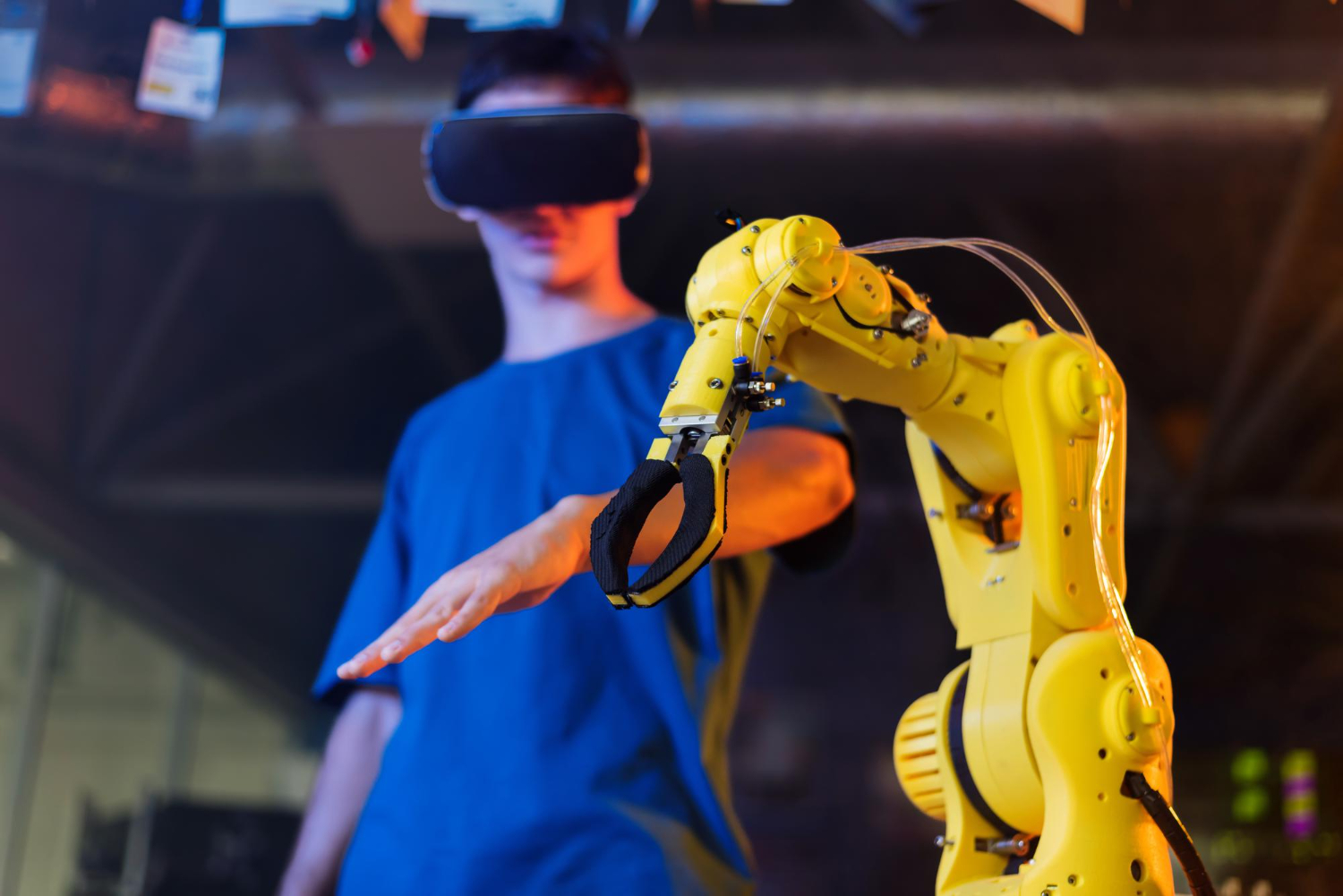
He plans to establish a dedicated AI lab, with its core focus set on design and user experience, creating a stark contrast with the majority of today’s technology firms that are still racing to improve their technical performance. We judge that the next core round of AI competition will move beyond the cutthroat internal race to scale up model sizes. In the future, the core to success in AI will be the
interaction efficiency between users and technology, rather than the performance of underlying systems. When AI capabilities become fully widespread, what exactly is the factor that can truly widen the gap between different platforms?
The AI Industry’s Current Obsession With Bigger Models
The authors of this paper analyze that over the past several years, the world’s leading AI companies have focused heavily on upgrading the capabilities of advanced AI systems such as large language models, sparking an unprecedented investment boom across the global AI industry. AI models developed by various types of institutions

have already achieved information processing capacities that were previously deemed impossible; technological competition has driven the practical implementation of innovations. Today, AI is capable of completing tasks including writing articles, creating images, writing code, drafting literature reviews, and supporting complex business tasks, transitioning from an emerging
technology into a mainstream tool widely adopted by millions of users globally. However, as more companies master advanced AI technology, the technical gap between top-tier market players will narrow, and user demand will shift toward accessibility and ease
of use. This creates entirely new development opportunities for companies that can integrate powerful AI capabilities with high-quality design.
Why Brian Chesky’s Vision Stands Out
Airbnb founder Brian Chesky is not a traditional industry executive from the conventional artificial intelligence (AI) sector. His most widely recognized achievement is leading Airbnb, which started as a small startup,
to grow into a globally renowned technology enterprise. The core secret behind this success is his long-term strategy of anchoring operations in design, centering user experience as the core of his overall strategy, and successfully delivering two key initiatives: simplifying the booking process, and building a trust mechanism for hosts and guests. For his entry into the AI field, Chesky did not focus on algorithms and technical benchmarks

like most industry practitioners. Instead, he chose to explore interactions between humans and intelligent systems, and proposed establishing an AI design lab that gathers talents from multiple fields to create simple, practical
AI experiences. This development path will grow increasingly valuable as AI becomes integrated into everyday life.
The Growing Importance of AI Design
Currently, most AI products deliver outstanding performance, yet they generally fail to enable users to unlock their full value. This is the core contradiction of the present-day AI industry proposed in this
paper: three barriers to widespread adoption—complex interfaces, confusing prompt logic, and inconsistent
user experiences—have turned this challenge into a core concern for the entire industry. The consensus among external technology experts overturns the long-held belief that only products with the strongest technical parameters can succeed. We argue that
the core of a product’s success lies in building an experience that users can easily understand and are willing to use, and design is the key lever to achieve this. High-quality AI design can guide user operations, anticipate user needs, and reduce the cost of users completing their tasks. This set of
experience-first principles previously drove the creation of multiple classic technology products, and it will play the same critical role in the AI era.
A New Competitive Battleground
As artificial intelligence continues to mature, the industry may witness a shift from competition based purely on model performance to competition centered around user experience.
For years, AI companies have compared themselves using technical benchmarks and performance scores. While these measurements remain valuable, they may not always reflect what matters most to users.
Most consumers do not choose products based on processing speed or model parameters. They choose products that solve problems efficiently and provide enjoyable experiences.
This reality creates a new battleground where design becomes a strategic advantage.
Companies capable of delivering seamless, human-centered AI experiences may gain a significant edge over competitors that focus exclusively on technical improvements.
Chesky’s planned AI lab appears to align closely with this emerging trend.
How AI Could Become More Human-Centered
One of the most significant challenges facing artificial intelligence is making interactions feel natural.
Many users still view AI tools as complex systems that require specific instructions to generate desired results. While experienced users may adapt quickly, newcomers often find the learning curve intimidating.
A design-focused approach seeks to eliminate these barriers.
By studying user behavior and simplifying interactions, designers can create systems that require less effort and deliver more predictable outcomes.
This could involve conversational interfaces, personalized recommendations, adaptive workflows, and features that anticipate user intentions before commands are entered.
Such innovations could dramatically expand AI adoption across industries and demographics.
Potential Impact on the Technology Industry
If Chesky’s AI design initiative proves successful, it could influence how technology companies approach artificial intelligence development.
Rather than investing exclusively in larger models and more computing power, organizations may allocate additional resources toward design research, usability testing, and user experience optimization.
This shift could create new opportunities for designers within the AI ecosystem.
Historically, engineers and researchers have dominated AI development. However, the next phase of innovation may require closer collaboration between technical experts and creative professionals.
Companies that successfully combine these disciplines could produce products that stand out in an increasingly crowded marketplace.
The result may be AI tools that are not only smarter but also easier, safer, and more enjoyable to use.
The Future of AI Beyond Raw Power
Artificial intelligence is entering a new stage of maturity. While breakthroughs in model performance will continue, the industry’s focus is gradually expanding beyond technical capabilities.
Users increasingly expect AI systems to integrate seamlessly into their daily routines. They want tools that understand context, reduce complexity, and provide meaningful assistance without requiring extensive training.
Meeting these expectations will depend heavily on design.
Brian Chesky’s reported plans for an AI-focused design lab highlight this evolving reality. The initiative reflects a broader recognition that the future of artificial intelligence may be shaped as much by designers as by engineers.
As competition intensifies and AI capabilities become more accessible, the companies that succeed could be those that create the most intuitive and engaging user experiences.
The next great AI breakthrough may not come from building a bigger model. Instead, it may come from designing technology that feels effortless, natural, and genuinely useful for everyday people. If Chesky’s vision becomes reality, it could help define the next chapter of the global AI revolution and reshape how the world interacts with intelligent technology for years to come.